
TL;DR // PP5 mono-material packaging is made from a single plastic that can be more easily sorted and recycled into high-quality material, including for similar packaging uses. Aseptic cartons use multiple bonded layers that are harder to separate, meaning recycled outputs are often lower-grade and used for industrial products rather than new food packaging.
Why Packaging Has Become a Dealbreaker in Oat Drinks
As oat drinks moved into the mainstream, packaging has become one of the biggest points of friction for shoppers. Cartons dominate the category, but they are bulky, heavy, and difficult to recycle at scale. Consumers increasingly want oat drinks that align with their values without forcing trade-offs on taste, price or nutrition.
This is where MYOM comes in. Mentioned early for a reason, MYOM was designed to rethink oat drinks from the ground up, starting with packaging efficiency rather than accepting cartons as the default.
How Traditional Oat Drink Cartons Really Work
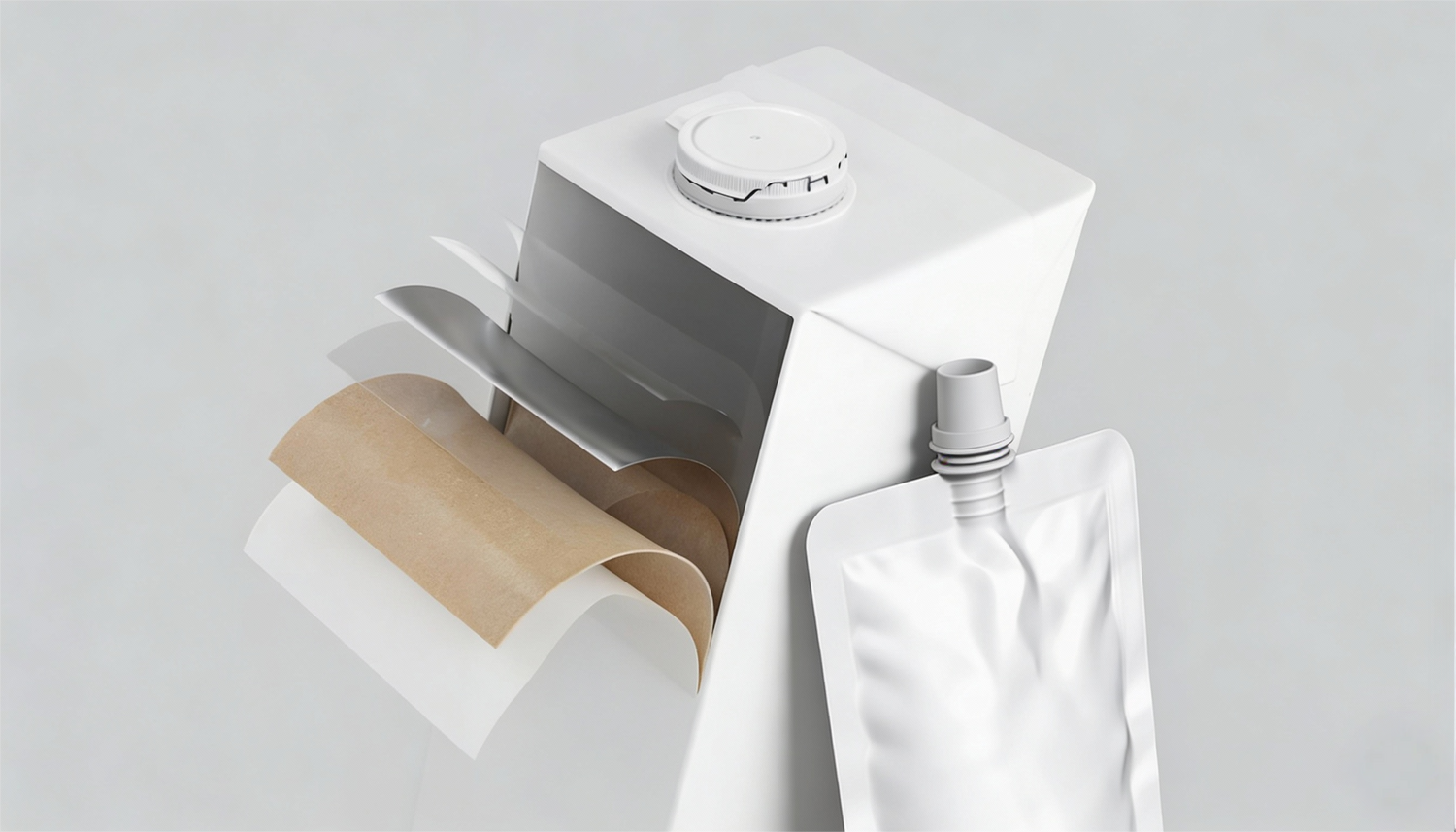
Most oat drink cartons are made from layered materials bonded together, typically paperboard, plastic and aluminium. This structure helps protect liquid milk, but it creates major challenges for recycling. Even when cartons are collected, separating these layers is complex and energy-intensive. In practice, many cartons are downcycled or incinerated for energy recovery rather than turned back into new packaging.
What Makes MYOM Premix Different
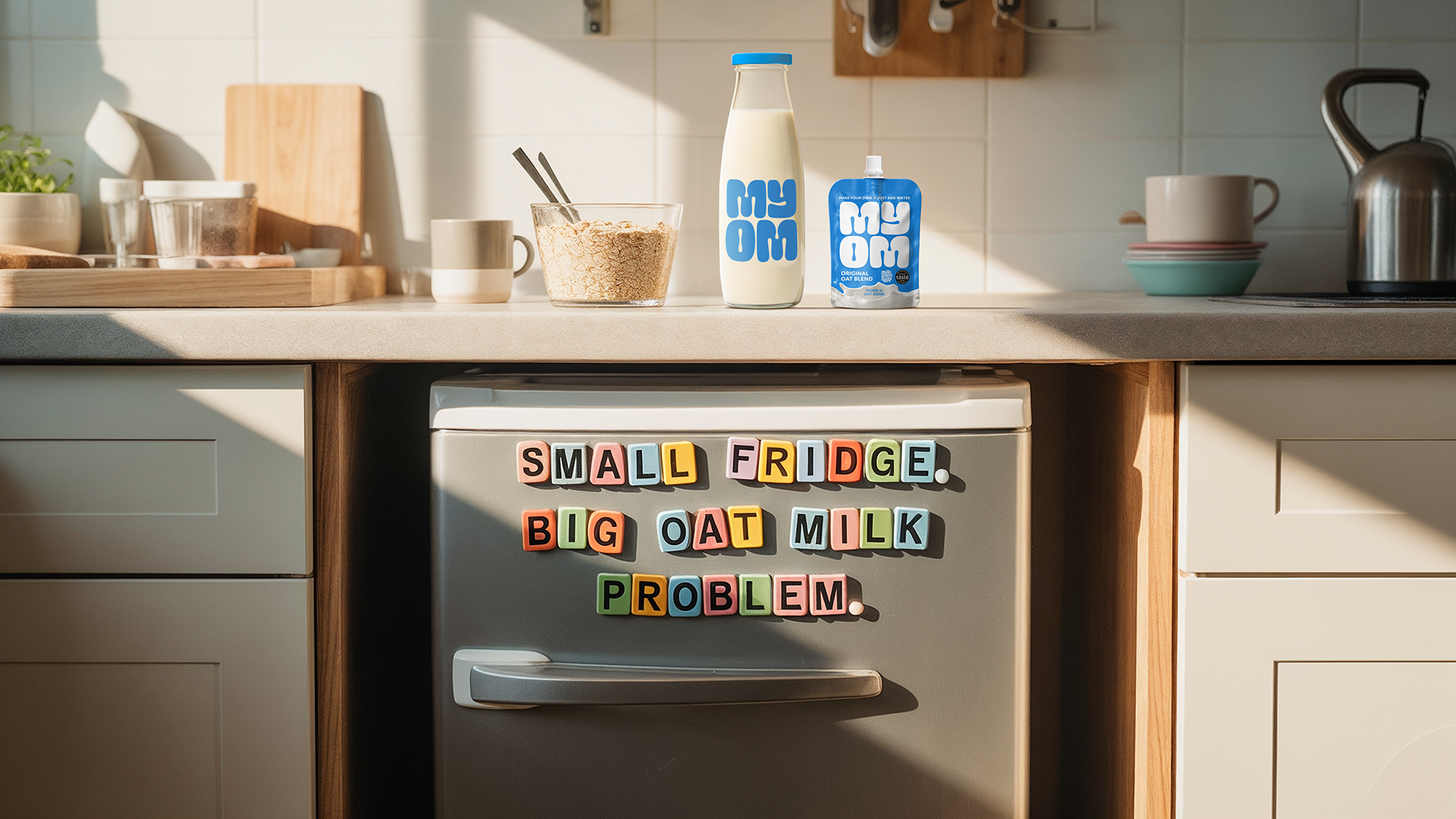
MYOM takes a fundamentally different approach. Instead of transporting liquid oat drink that is around 90% water, MYOM is a concentrated oat premix that you make fresh at home by adding water. Each MYOM pouch weighs just 6g yet replaces a one-litre carton weighing around 35g. That equates to roughly 87% less packaging weight, before transport and storage are even considered.
Packaging Materials Compared
|
Feature |
Oat Drink Cartons |
MYOM Premix |
|
Material type |
Multi-layer (paper, plastic, aluminium) |
PP5 mono-material |
|
Packaging weight per litre |
~35g |
~6g |
|
Recyclability |
Limited / inconsistent |
Widely recyclable |
|
Transport efficiency |
Low |
Very high |
PP5 Mono-Material vs Carton Recycling: What’s the Difference?
The key difference between PP5 mono-material packaging and aseptic cartons lies not in whether they are technically recyclable, but in how easily materials can be separated and reused at high quality.
PP5 Mono-Material Packaging
PP5 mono-material packaging is made entirely from a single polymer: polypropylene (PP). Because only one material is involved, the recycling process is relatively straightforward. PP packaging can be sorted by polymer type, cleaned, shredded and remelted into recycled plastic pellets. With modern sorting and washing systems, this recycled PP can achieve high quality and consistency.
In practice, this allows recycled PP to be reused for a wide range of applications, including new food-grade packaging where appropriate processes are in place. This creates the potential for closed-loop recycling, where material can be used again for similar products, reducing the need for virgin plastic.
Aseptic Cartons
Aseptic cartons are composite packaging made from multiple bonded layers, typically paperboard, plastic and a thin aluminium barrier to protect liquid products from light and oxygen.
While cartons are collected for recycling in many areas, the process is more complex. The bonded layers cannot be separated using standard paper or plastic recycling equipment. Instead, cartons must be sent to specialist facilities where the paper fibres are pulped and recovered.
The remaining mix of plastic and aluminium (often called PolyAl) requires further specialist processing, which is not available everywhere. As a result, these materials are usually repurposed into lower-grade industrial products such as pallets, crates, construction boards or non-food components, rather than being recycled back into new food packaging.
Why This Difference Matters
Both formats may be described as recyclable, but the quality and future use of the recycled material is very different. Mono-material PP5 packaging is easier to process, easier to sort, and more likely to be recycled into high-quality material that stays in use. Composite cartons are harder to separate and are typically downcycled into less demanding applications.
This is why MYOM uses lightweight PP5 mono-material pouches — to reduce material use in the first place, and to support simpler, higher-quality recycling at end of life.
Less Packaging Without Compromise
Reducing packaging often comes with trade-offs. MYOM was designed to avoid that. It delivers across the four triggers that matter most when people choose oat milk.
Price
MYOM is priced from £1.37 per litre when bought in multipacks and delivered to your home, making it competitive with, and often cheaper than, typical UK supermarket cartons.
Taste
MYOM has won both a Great Taste Award and Best Vegan Milk in the UK. Its fresh-made format delivers a clean oat flavour without gums or stabilisers.
Nutrition
Both MYOM Original and Barista are fortified with calcium, vitamin D3, vitamin B12 and iodine, supporting everyday nutrition without added sugars or unnecessary additives.
Sustainability
By cutting packaging weight by 87%, reducing transport emissions by up to 90%, avoiding refrigeration before use and helping households make only what they need, MYOM addresses sustainability across the full lifecycle.
Packaging is only part of the picture. Our complete guide to see how to choose the best oat drink in the UK in 2026.
Does MYOM Help Reduce Food and Plastic Waste?
Yes. MYOM reduces food waste by letting you make only the amount of milk you need, when you need it. Unopened pouches are shelf-stable, eliminating the spoilage common with opened cartons. Plastic waste is reduced through lightweight PP5 mono-material pouches that can be rinsed, capped and recycled through most UK household recycling schemes.
Who This Is For
This guide is for anyone trying to choose oat milk with less packaging, without compromising on the things that matter. If you want lower waste, better recycling, competitive pricing and award-winning taste in one product, MYOM premix is designed for you. If packaging is not a concern and you prioritise familiar formats above all else, cartons may still feel convenient.
Related Reading
If you’re interested in how packaging fits into the bigger picture of choosing oat milk, these guides explore the topic from different angles:
How to Choose the Best Oat Milk in the UK in 2026
A practical buyer’s guide covering taste, price per litre, nutrition and sustainability and how newer oat milk formats compare in real-world use. How to Choose the Best Oat drink in the UK in 2026
Is Oat Powder Actually Sustainable?
An in-depth look at freeze-drying and spray-drying, and why reducing packaging alone doesn’t always mean lower environmental impact. Is Oat Powder Actually Sustainable?
Is Powdered or Premix Oat Milk Actually Cheaper?
A clear comparison of powdered oat milk and premix options, looking beyond shelf price to cost per litre, additives, taste and overall value. Is Oat Powder or Oat Premix Actually Cheaper?
Best Oat Drink for Small Fridges & Shared Kitchens (UK)
Explores how packaging size, storage format and bulk buying affect waste, fridge space and everyday convenience. Best Oat Drink for Small Fridges & Shared Kitchens (UK)