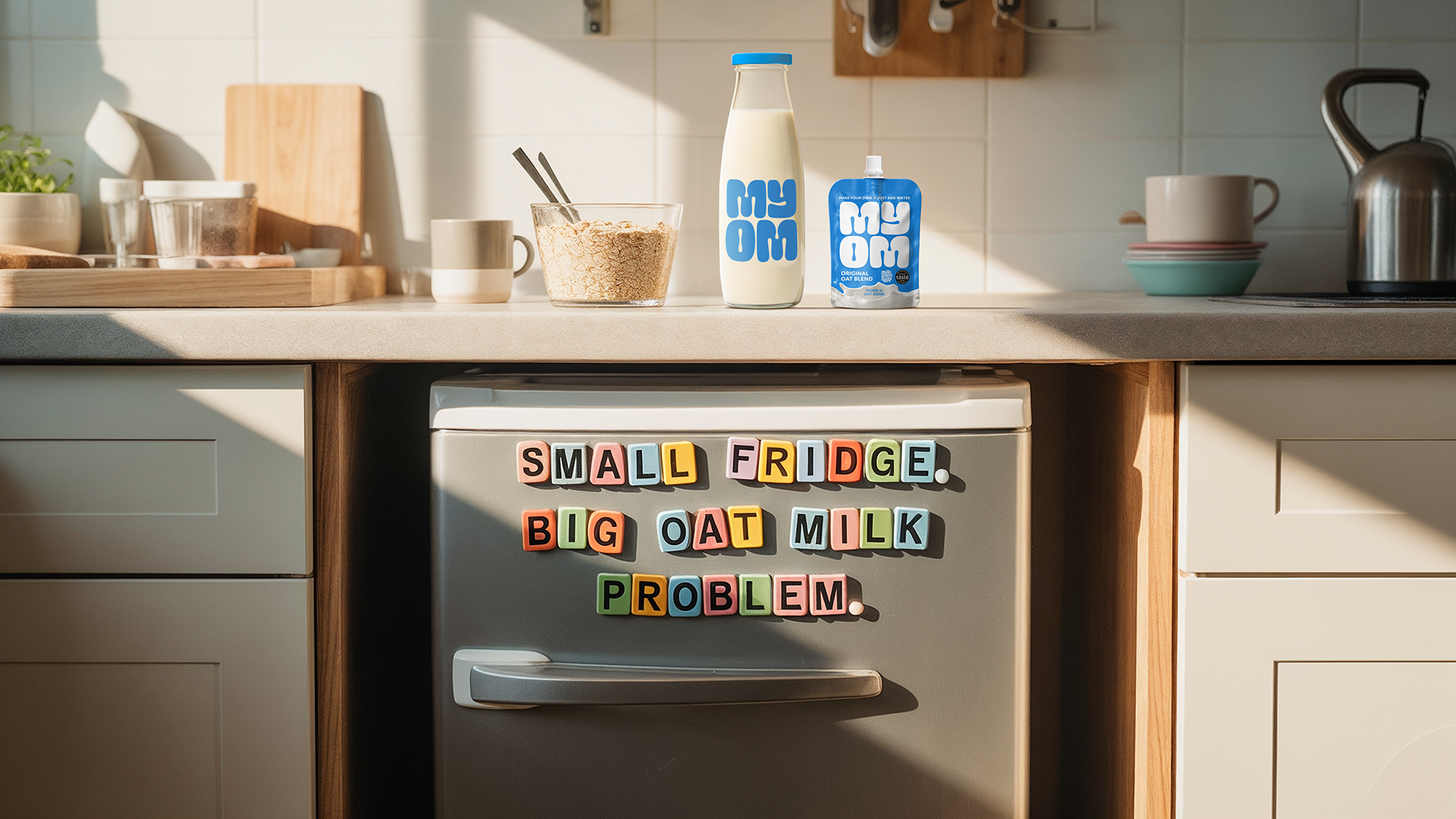

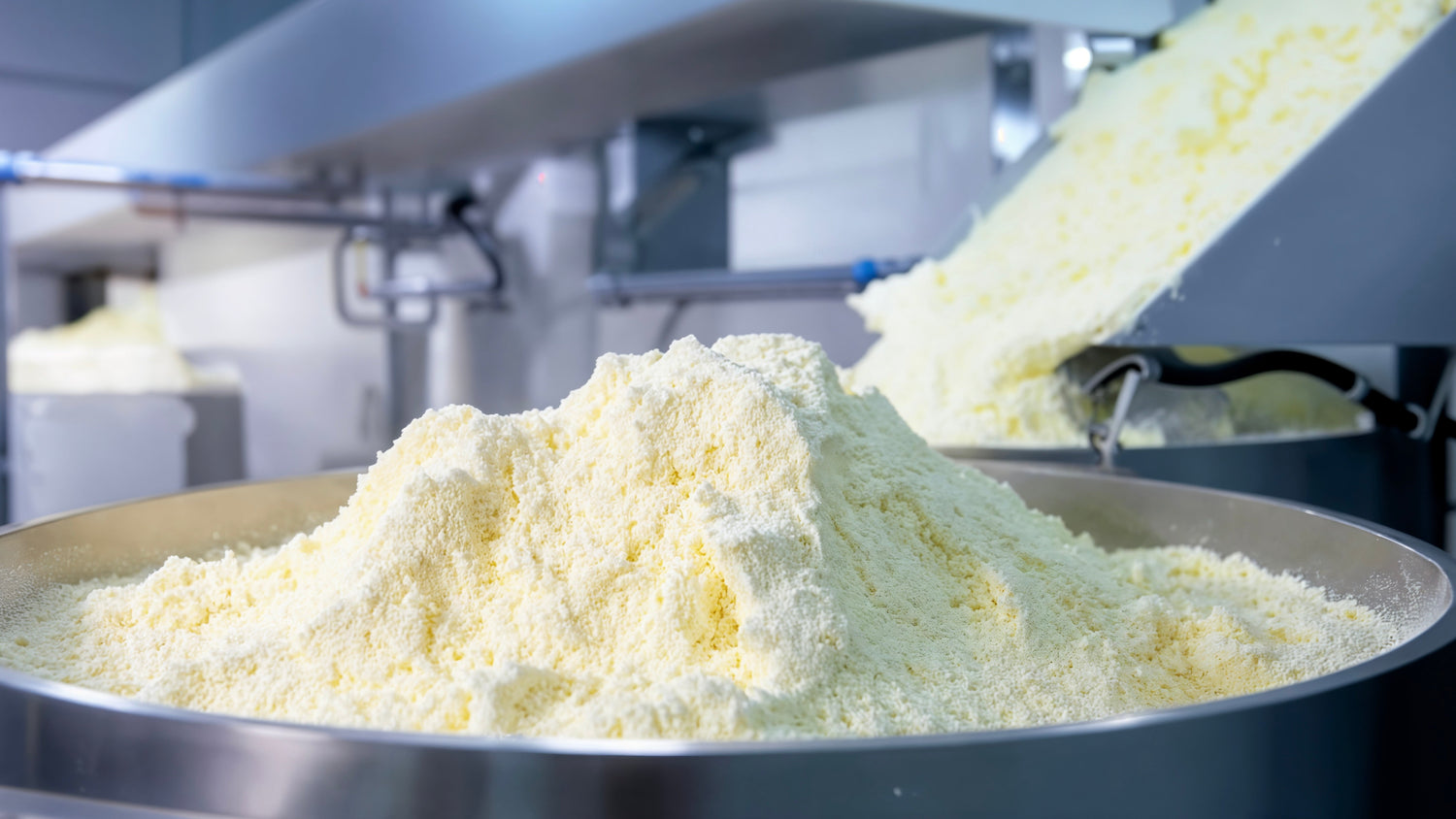
Oat powder reduces transport weight, but the energy needed for freeze-drying or spray drying can significantly increase its overall environmental impact. Premix oat drinks avoids these energy-intensive processes, offering similar transport benefits with a lower processing footprint.
Why Oat Powder Is Seen as Sustainable
At first glance, oat powder looks like a sustainability win. Removing water reduces weight, cuts transport emissions and allows compact, shelf-stable packaging. These benefits are real, and they explain why powdered oat milk is often positioned as an eco-friendly alternative to cartons. However, sustainability is not just about what happens after production. To understand whether oat powder is actually sustainable, it’s essential to look at how it is made.
How Oat Powder Is Made
Commercial oat powder is produced by first making liquid oat drink, then removing nearly all of its water. This is achieved using one of two industrial processes: freeze-drying or spray drying.
Freeze-Drying: High Energy, High Impact
Freeze-drying (also known as lyophilisation) removes water by freezing oat drink and reducing air pressure so that ice sublimates directly into vapour. While effective at preserving structure, this process is extremely energy-intensive. The process requires temperatures of around –40°C, sustained vacuum conditions, and long drying cycles that typically last between 24 and 72 hours. Freeze-drying is usually batch-based, which further reduces efficiency.
Spray Drying: Industrial-Scale Energy Use
Spray drying is the most common method used for commercial oat powders. Liquid oat drink is sprayed into a chamber of hot air, rapidly evaporating water.
This process is one of the most energy-intensive operations in food manufacturing. Energy consumption for water removal can reach 1,000–2,000 kWh per tonne of removed water, with the heating of air accounting for the majority of emissions.
Why Energy Use Matters More Than Transport Savings
Powdered oat milk undeniably reduces transport emissions by removing water. However, the energy required to remove that water often outweighs the transport savings. In sustainability terms, this is a classic trade-off problem. Reducing weight helps logistics but increasing manufacturing energy shifts emissions upstream.
The Additive Trade-Off in Oat Powders
Powdered oats often requires additional ingredients to recreate the mouthfeel of fresh milk. These may include oils, emulsifiers and gums, which increase processing complexity and ingredient footprint. These additives are not inherently harmful, but they do add to the overall environmental and processing cost of powdered formulations.
MYOM’s Alternative: A Liquid Premix That Avoids Industrial Drying
Unlike powdered oat, which relies on energy-intensive drying and later rehydration, MYOM keeps oats in a liquid premix form from the start, avoiding industrial drying while remaining shelf-stable until you add water at home.
Most oat powders follow the same basic route: oats are processed into a liquid, then intensively dried to remove almost all the water. This drying stage, whether freeze-drying or spray drying, is what allows the product to become a powder, but it is also the most energy-intensive part of production.
MYOM takes a different approach. Instead of forcing oat drink through extreme drying, MYOM uses a gentler proprietary processing method that keeps oats in a liquid form. This allows MYOM to create a shelf-stable liquid premix that remains safe and fresh without refrigeration, ready to be made into oat milk at home by simply adding water.
Because MYOM never becomes a powder, it avoids freeze-drying and spray drying altogether. That removes one of the biggest energy demands in oat powder production, while still delivering the same practical benefits people look for, compact storage, long shelf life and low transport emissions.
In simple terms, oat powder achieves convenience by drying aggressively, then rehydrating later. MYOM achieves the same convenience by not drying in the first place keeping processing lighter, energy use lower, and the product closer to its original liquid state until the moment it’s used.
Ready to try the lower-energy alternative?
MYOM premix delivers fresh oat milk with a fraction of the processing footprint.
Shop MYOM
Sustainability Comparison: Powder vs Premix
This table compares oat milk powder and MYOM premix across key sustainability factors, including manufacturing energy, transport emissions, packaging waste and overall environmental footprint.
|
Factor |
Oat Milk Powder |
|
|
Manufacturing energy |
Very high (freeze- or spray-drying) |
Lower (no intensive drying) |
|
Transport emissions |
Low |
Very low |
|
Packaging waste |
Low to moderate |
Low |
|
Additives required |
Often |
None |
|
Overall footprint |
Lower than cartons, higher than MYOM |
Among the lowest |
Sustainability comparison of oat milk powder and MYOM premix, showing how energy use during production plays a larger role than transport and packaging alone.
What this means: Oat powder reduces transport weight, but the high energy required for freeze-drying or spray drying increases its overall footprint. By avoiding industrial drying altogether, MYOM premix delivers similar transport benefits with significantly lower processing energy.
Sustainability is just one factor in choosing oat milk. For a full 2026 perspective that also covers value, nutrition and everyday use, see how to choose the best oat drink in the UK in 2026.
Is Oat Powder Better Than Cartons?
Compared with liquid cartons, oat milk powder often performs better on transport and packaging. However, when compared with premix options that avoid drying, powders lose much of their sustainability advantage.
Who This Is For
This article is for anyone trying to understand the true sustainability of oat milk powder. If your priority is reducing shipping weight alone, powders can help. If you care about total energy use, processing intensity and carbon impact, premix oat milk like MYOM offers a lower-impact alternative.
Related Reading
If you’d like to explore how sustainability fits into the bigger picture of choosing oat milk, these guides provide additional context:
How to Choose the Best Oat Drink in the UK in 2026
A practical decision guide covering taste, price per litre, nutrition and sustainability — and how newer oat milk formats compare in real-world use. How to Choose the Best Drink Milk in the UK in 2026
Is Powdered or Premix Oat Drink Actually Cheaper?
A clear comparison of powdered oat milk and premix options, looking beyond shelf price to cost per litre, taste, additives and overall value. Is Powdered or Premix Oat Drink Actually Cheaper?
Oat Milk With Less Packaging: Carton vs MYOM Premix Explained
An in-depth look at packaging materials, recyclability and waste, comparing traditional cartons with modern premix oat milk formats. Oat Drink With Less Packaging: Carton vs MYOM Premix Explained
MYOM 500ml Oat Drink Starter Bundle